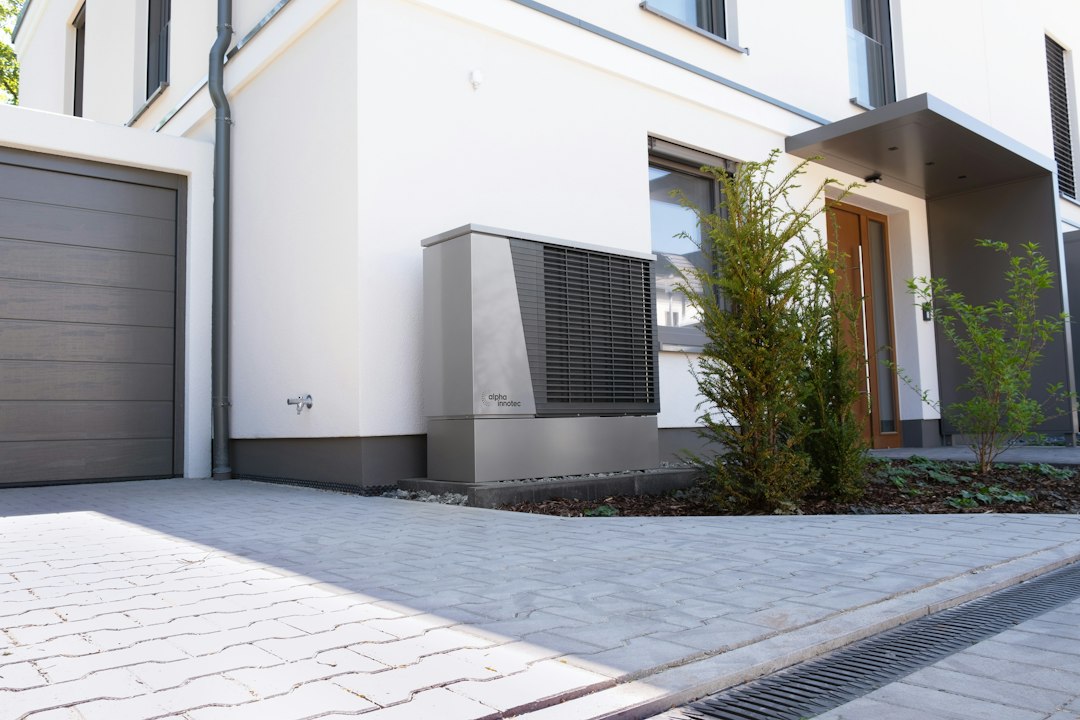
Replacing a heat pump in 2026 can cost anywhere from a few thousand dollars to well over $20,000, depending on what is being replaced and how much work the house needs. For a typical central air-source heat pump using existing ductwork, a practical planning range is about $4,000 to $12,000 installed. Angi’s current 2026 data puts many professional heat pump installations and replacements around $4,237 to $7,943. More extensive projects that include a new air handler, major electrical work, duct changes, or premium equipment can cost substantially more.
RefitZen quick answer: For a straightforward central heat-pump replacement, start with a budget of roughly $4,000 to $12,000. For a full-system project with major modifications, budget higher and compare written scopes line by line.
Heat Pump Replacement Cost at a Glance
| Project | Typical 2026 planning range |
|---|---|
| Central air-source heat pump replacement | $4,000-$12,000 |
| Typical professional installation/replacement | $4,237-$7,943 |
| Ductless mini-split heat pump | $2,000-$17,000+ |
| Geothermal heat pump | $20,000-$50,000+ |
| New ductwork added to HVAC project | About $2,400-$6,600 extra |
Those ranges are national planning figures, not quotes for a particular house. Local labor rates, equipment availability, climate, permitting, electrical capacity, duct condition, and system efficiency can materially change the final price.
Why Heat Pump Cost Estimates Vary So Much
Heat-pump cost articles often appear to disagree because they are not always pricing the same scope. A contractor replacing an outdoor unit and compatible indoor equipment while reusing sound ductwork is pricing a different project from a contractor installing a complete new system with an air handler, electrical upgrades, duct modifications, permits, controls, and old-equipment removal.
That is why one source may show a central air-source system in the $4,000-to-$12,000 range while broader whole-system projects can reach $10,000 to $25,000 or more. Before comparing two estimates, make sure they include substantially the same work.
Heat Pump Replacement Cost by Home Size
Square footage affects price because larger homes generally require more heating and cooling capacity. But square footage alone should never determine the equipment size. Insulation, windows, orientation, air leakage, ceiling height, climate, and other building characteristics matter too.
| Home size | Common planning range for full heat-pump installation |
|---|---|
| About 1,000 sq. ft. | $6,000-$8,500+ |
| About 1,500 sq. ft. | $8,000-$10,500+ |
| About 2,000 sq. ft. | $10,000-$20,000+ |
| About 2,500 sq. ft. | $12,000-$22,000+ |
| About 3,000 sq. ft. | $18,000-$25,000+ |
These broader ranges are most useful for full-system planning. A simple replacement that reuses compatible ductwork and electrical infrastructure can cost less.
Do Not Size a Heat Pump by Square Footage Alone
ENERGY STAR advises homeowners to have the contractor verify proper system size with a Manual J load calculation. Manual J estimates the home’s actual heating and cooling requirements instead of assuming the old system was correctly sized.
Oversized equipment can cycle too frequently, reduce comfort, and perform less efficiently. Undersized equipment may struggle during extreme weather. Ask the contractor to explain the load calculation and how the selected model meets both heating and cooling needs.
Heat Pump Replacement Cost by System Type
| Heat pump type | Typical installed cost | Best fit |
|---|---|---|
| Central ducted air-source | $4,000-$12,000 | Homes with usable central ductwork |
| Ductless mini-split | $2,000-$17,000+ | Homes without ducts, additions, zoned spaces |
| Geothermal | $20,000-$50,000+ | Long-term efficiency where site conditions allow ground loops |
| Cold-climate air-source | Varies by size and equipment tier | Areas with frequent freezing temperatures |
| Dual-fuel / hybrid | Varies by furnace and heat-pump scope | Homes retaining a furnace as backup |
What Makes a Heat Pump Replacement More Expensive?
- Higher capacity: Larger equipment usually costs more.
- Higher efficiency: Premium SEER2 and HSPF2 equipment can carry a higher upfront price.
- Cold-climate performance: Equipment designed to retain heating capacity at low outdoor temperatures may cost more.
- Ductwork: Leaking, undersized, damaged, or poorly configured ducts may need sealing, resizing, or replacement.
- Electrical work: Some homes need a new circuit, disconnect, wiring, or panel work.
- Air-handler changes: Replacing indoor equipment can raise the project cost.
- Difficult access: Tight attics, crawl spaces, rooftops, and restricted equipment locations increase labor.
- Permits and inspections: Requirements vary by jurisdiction.
- Controls and zoning: Thermostats, communicating controls, and multiple zones add cost.
How Much Can Ductwork Add?
If existing ducts are usable, a central heat-pump replacement is usually simpler. If the duct system needs complete replacement, HomeGuide reports roughly $2,400 to $6,600 for new ductwork in many existing homes. Smaller repairs or sealing projects can cost less.
This is one reason you should compare HVAC estimates by scope, not just by total price. One quote may reuse the existing ducts while another includes several thousand dollars of duct improvements.
Do You Need an Electrical Upgrade?
Sometimes. A heat pump may require a dedicated circuit, new disconnect, wiring changes, or a larger electrical service depending on the existing house and the proposed equipment. If a contractor says an upgrade is required, ask for the electrical work to be itemized separately so you can see exactly how much it adds to the project.
Cold-Climate Heat Pumps
Modern cold-climate heat pumps are designed to provide meaningful heating at low outdoor temperatures. ENERGY STAR’s current cold-climate criteria require qualifying systems to meet low-temperature performance requirements, including verified capacity and efficiency at 5°F.
If your winters regularly fall below freezing, ask the contractor for the model’s low-temperature capacity data rather than relying only on its nominal tonnage. Also ask whether the design assumes electric resistance backup, a furnace, or no backup heat at all.
SEER2 and HSPF2: What Do They Mean?
SEER2 measures seasonal cooling efficiency. HSPF2 measures seasonal heating efficiency for heat pumps. Higher ratings generally mean better efficiency, but they can also increase equipment cost.
The best financial choice is not automatically the model with the highest rating. Compare the installed-price premium with expected energy savings, your local climate, utility rates, rebates, and how long you expect to own the home.
2026 Refrigerant Rules: What Homeowners Should Know
Refrigerant rules changed recently, and older articles can oversimplify the transition. EPA limits the global-warming potential of refrigerants used in newly manufactured residential and light-commercial air-conditioning and heat-pump systems. However, EPA’s 2026 rule removed the installation deadline for certain qualifying pre-2025 inventory, meaning some older compliant inventory manufactured or imported before the cutoff may still be installed while supplies remain.
Existing systems can also continue to be repaired and serviced. When comparing a 2026 quote, ask the contractor to identify the refrigerant, whether the equipment is newly manufactured or older inventory, and whether future service parts are readily available.
Are There Heat Pump Tax Credits in 2026?
The former federal Energy Efficient Home Improvement Credit under Internal Revenue Code section 25C is no longer available for property placed in service after December 31, 2025. That means homeowners should be cautious with older pages that still advertise a federal heat-pump tax credit for 2026 installations.
Rebates may still be available. The U.S. Department of Energy says Home Energy Rebates are active in select states, territories, and Tribal programs, and eligible heat-pump projects may receive substantial incentives depending on household income and local program rules. State, utility, and manufacturer rebates may also apply.
Repair or Replace Your Heat Pump?
A repair does not automatically justify replacement. Angi’s 2026 data puts many heat-pump repairs around $161 to $661, with an average near $410. Replacement becomes easier to justify when the unit is older, major components are failing, efficiency has declined, refrigerant or parts are difficult to obtain, or the repair cost is a large percentage of a replacement quote.
For a deeper breakdown of repair prices, see RefitZen’s HVAC Repair Cost guide.
Heat Pump vs. Air Conditioner Replacement
A heat pump provides both cooling and heating, while a conventional central air conditioner only cools. If you are already replacing an air conditioner, the incremental cost of choosing a heat pump can sometimes be more attractive than replacing separate heating and cooling equipment later.
Compare the full installed scope, not just the outdoor unit price. Our Air Conditioner Replacement Cost guide explains the current central-AC cost structure.
What Should Be Included in a Heat Pump Quote?
| Ask for | Why it matters |
|---|---|
| Manufacturer and exact model numbers | Lets you verify capacity, efficiency, warranty, and refrigerant |
| Manual J load calculation | Shows how the contractor sized the system |
| Heating capacity at low temperatures | Especially important in colder climates |
| SEER2 and HSPF2 ratings | Helps compare efficiency |
| Ductwork scope | Clarifies whether ducts are reused, sealed, resized, or replaced |
| Electrical work | Shows whether panel, circuit, disconnect, or wiring work is included |
| Refrigerant | Important for 2026 equipment and future servicing |
| Backup heat strategy | Explains what happens during very cold weather |
| Permits and inspections | Prevents surprise fees |
| Labor and manufacturer warranties | Shows what is covered after installation |
| Total installed price | Makes competing bids easier to normalize |
How to Compare Heat Pump Replacement Quotes
Get multiple written estimates and normalize them before deciding. If one contractor includes duct sealing, an electrical circuit, permit fees, a new thermostat, equipment removal, and a longer labor warranty while another does not, the higher quote may actually include more value.
Ask each contractor to separate equipment, labor, ductwork, electrical work, permits, controls, optional upgrades, and rebates. Then compare like for like.
Heat Pump Replacement Cost: Bottom Line
For a typical central air-source heat-pump replacement in 2026, $4,000 to $12,000 is a useful starting planning range. Straightforward projects can fall near the lower end, while large homes, cold-climate equipment, premium efficiency, duct changes, electrical upgrades, and full-system conversions can push the total well above that range.
If you are comparing a complete HVAC replacement rather than only a heat pump, see our broader HVAC Replacement Cost guide.
Frequently Asked Questions
How much does it cost to replace a heat pump in 2026?
A central air-source heat-pump replacement commonly falls around $4,000 to $12,000 installed, although broader full-system projects can cost much more depending on equipment, home size, ductwork, electrical work, and installation complexity.
How much is a heat pump for a 2,000-square-foot house?
For broad full-system planning, published national data can place a 2,000-square-foot home around $10,000 to $20,000 or more. A straightforward replacement that reuses suitable ductwork and electrical infrastructure may cost less. Proper sizing should come from a load calculation, not square footage alone.
Is there still a federal heat-pump tax credit in 2026?
No federal section 25C credit is available for property placed in service after December 31, 2025. Home Energy Rebates, state programs, utility incentives, and manufacturer rebates may still be available depending on location and eligibility.
Can I keep my existing ductwork?
Often, yes, if it is properly sized, sealed, and in good condition. If the ducts are undersized, leaking, damaged, or poorly designed for the new equipment, modifications may be recommended.
Should I replace my heat pump or repair it?
Consider the unit’s age, the repair cost, the condition of major components, efficiency, warranty, refrigerant availability, and the likelihood of additional failures. A modest repair on an otherwise sound system can be reasonable; repeated major repairs on an aging system may favor replacement.
Do heat pumps work in cold climates?
Yes. Modern cold-climate models are designed for low-temperature operation. In very cold regions, system selection and backup-heat strategy matter, so ask for the model’s verified low-temperature capacity.
More RefitZen Cost Guides
Related guides: HVAC Replacement Cost, Air Conditioner Replacement Cost, HVAC Repair Cost, HVAC Installation Cost, and Furnace Replacement Cost. Browse the full RefitZen Costs library.
Sources
- Angi: Heat Pump Costs and Installation Costs, 2026
- HomeGuide: Air-Source Heat Pump Cost
- HomeGuide: Heat Pump Cost
- ENERGY STAR: Air-Source Heat Pumps
- ENERGY STAR: Heat Pump Key Product Criteria
- IRS: 2025-2026 Energy Credit Termination FAQs
- U.S. Department of Energy: Home Energy Rebates Program
- U.S. EPA: HFC Restrictions by Sector
Leave a Reply